


Introduction
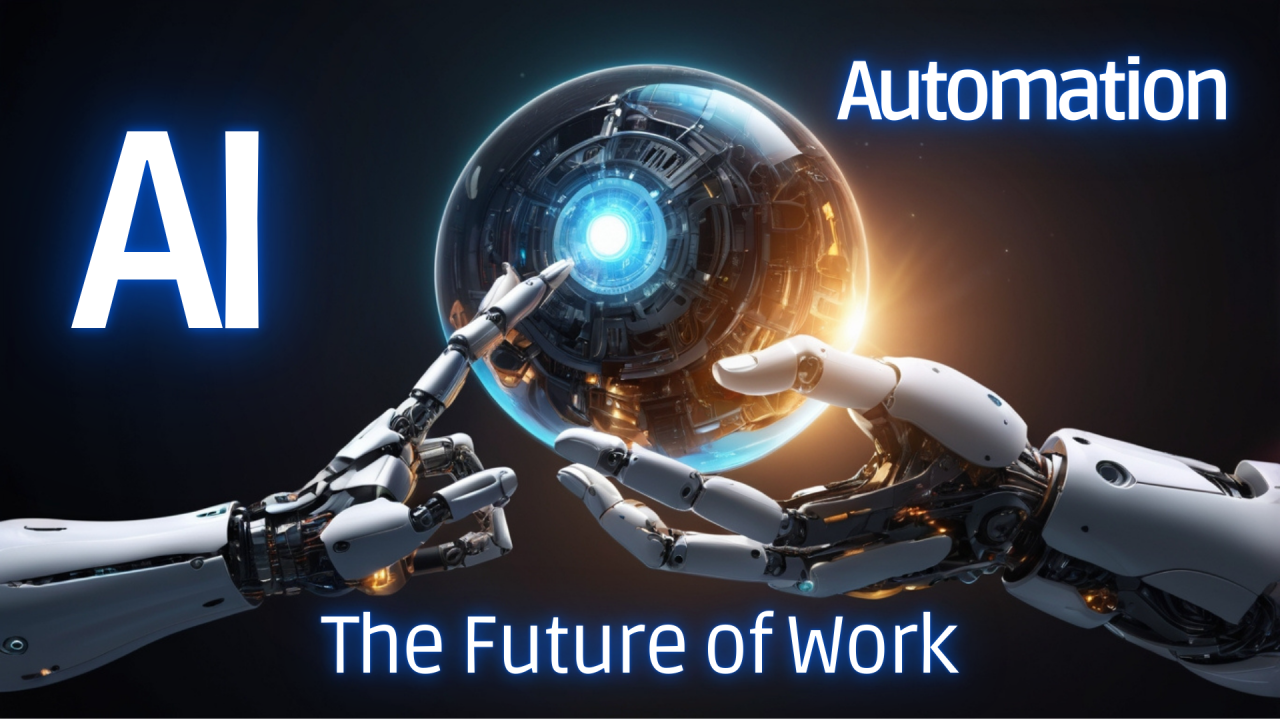
By 2026, Artificial Intelligence will no longer be a “new technology.” It will be a default capability built into almost every digital product, platform, and service. AI will move from experimentation to full-scale adoption, changing how businesses operate, how professionals work, and how individuals interact with technology.
In this blog, we explore AI trends in 2026, emerging job roles, required skills, and how AI will reshape industries worldwide.
How AI Will Evolve by 2026
AI in 2026 will be more autonomous, contextual, and intelligent. Instead of performing isolated tasks, AI systems will work across multiple processes and tools.
Key evolution points:
-
AI models will become more energy-efficient
-
Context-aware AI will understand user intent better
-
AI will move closer to decision-making roles
-
Multi-modal AI (text, image, voice, video) will dominate
AI will feel less like software and more like a digital coworker.
Top AI Trends to Watch in 2026
1. AI Agents & Autonomous Systems
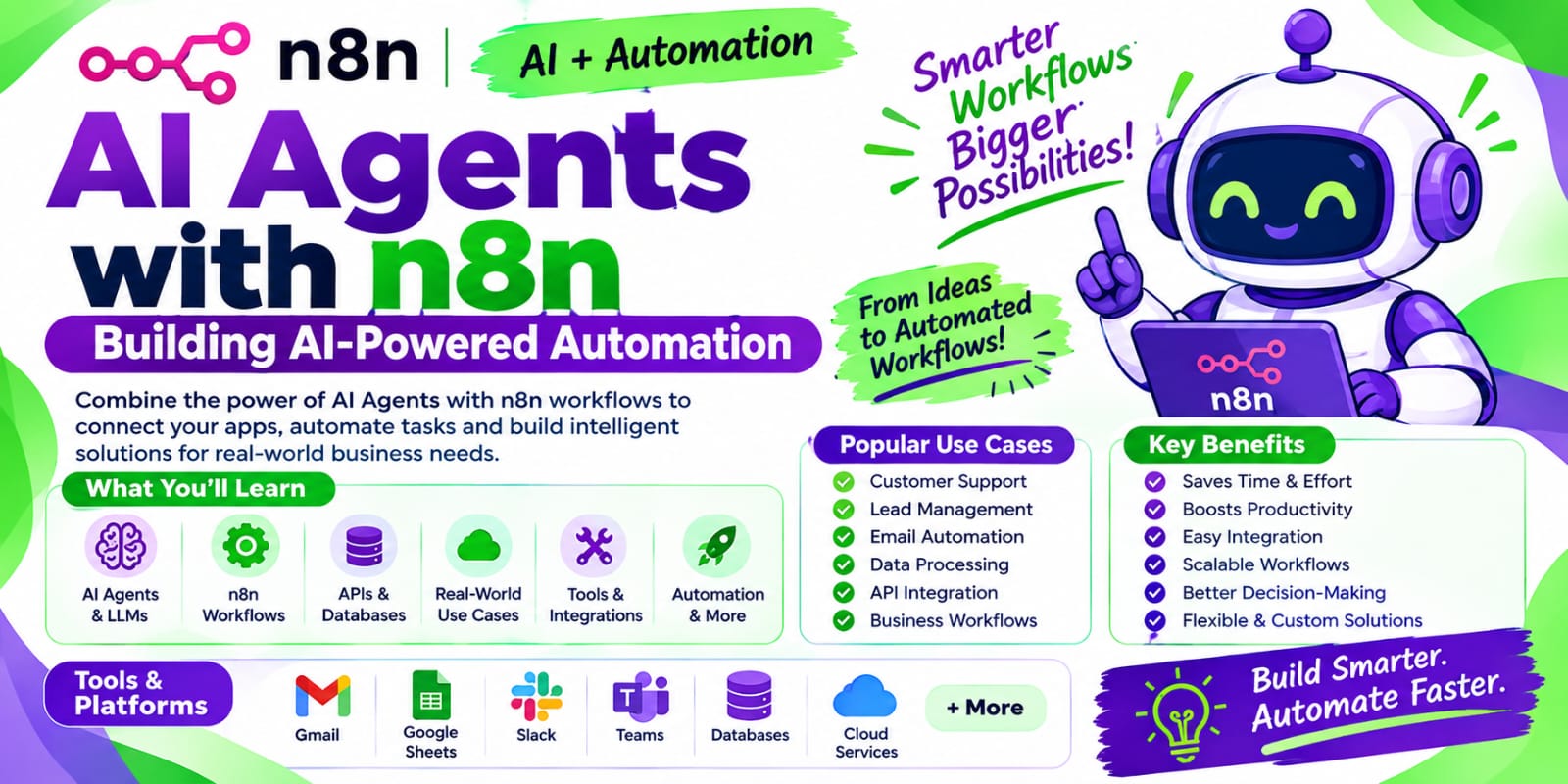
AI agents will perform tasks end-to-end with minimal human input. From scheduling meetings to managing workflows, AI agents will act independently within defined rules.
Businesses will rely on AI agents for:
-
Customer service
-
IT operations
-
Sales automation
-
HR screening
2. Generative AI Everywhere
Generative AI will move beyond content creation. In 2026, it will:
-
Design applications
-
Generate code
-
Create marketing campaigns
-
Automate documentation
Almost every business team will use generative AI tools daily.
3. AI + Cloud = Intelligent Infrastructure
Cloud platforms will deeply integrate AI to deliver:
-
Predictive auto-scaling
-
Intelligent security monitoring
-
Cost optimization
-
Automated DevOps pipelines
AI-driven cloud services will reduce manual operations and downtime.
4. AI in Cybersecurity
With increasing cyber threats, AI will play a critical role in:
-
Real-time threat detection
-
Behavior-based anomaly detection
-
Automated incident response
Cybersecurity professionals with AI skills will be in high demand.
5. Ethical & Responsible AI
As AI becomes powerful, ethical AI will become mandatory. Organizations will focus on:
-
Transparency in AI decisions
-
Bias detection and control
-
Data privacy compliance
Ethical AI specialists will emerge as a new career path.
AI Impact on Industries in 2026
Healthcare
AI will assist doctors in diagnosis, treatment planning, and patient monitoring. Remote AI health assistants will become common.
Education
AI will personalize learning paths, evaluate skills, and guide career planning for students.
Manufacturing
AI-powered robots and predictive maintenance will reduce downtime and improve efficiency.
Retail & E-commerce
AI will deliver hyper-personalized shopping experiences and intelligent supply chain management.
AI Job Roles in 2026
AI will create new job titles that didn’t exist before.
High-demand roles:
-
AI Engineer
-
Machine Learning Specialist
-
Prompt Engineer
-
AI Automation Architect
-
Cloud AI Engineer
-
Responsible AI Officer
Even traditional roles will evolve to include AI tools.
Skills Required for AI Careers in 2026
Technical Skills:
-
AI fundamentals & machine learning
-
Cloud AI services
-
Data literacy
-
Prompt engineering
-
Automation tools
Human Skills:
-
Critical thinking
-
Creativity
-
Ethical reasoning
-
Collaboration with AI systems
The ability to guide AI, not just use it, will be key.
Will AI Replace Jobs by 2026?
AI will replace repetitive tasks, but it will create more jobs than it removes. Professionals who adapt and learn AI will see faster career growth.
The real risk is not AI—it is not learning AI.
Why You Should Start Learning AI Now
Learning AI before 2026 gives you:
-
Career security
-
Higher salary potential
-
Global job access
-
Competitive advantage
AI skills will become as essential as computer skills are today.
Future-Proof Career Strategy
To stay relevant in 2026:
-
Learn AI basics
-
Practice with real tools
-
Combine AI with your domain skills
-
Focus on continuous learning
AI will reward adaptability.
Conclusion
Artificial Intelligence in 2026 will redefine work, creativity, and innovation. From autonomous systems to ethical AI, the technology will touch every industry and profession.
Those who embrace AI early will lead the future, while others will struggle to catch up. AI is not the future—it is the present shaping tomorrow.
The smartest investment for 2026 is learning AI today.