




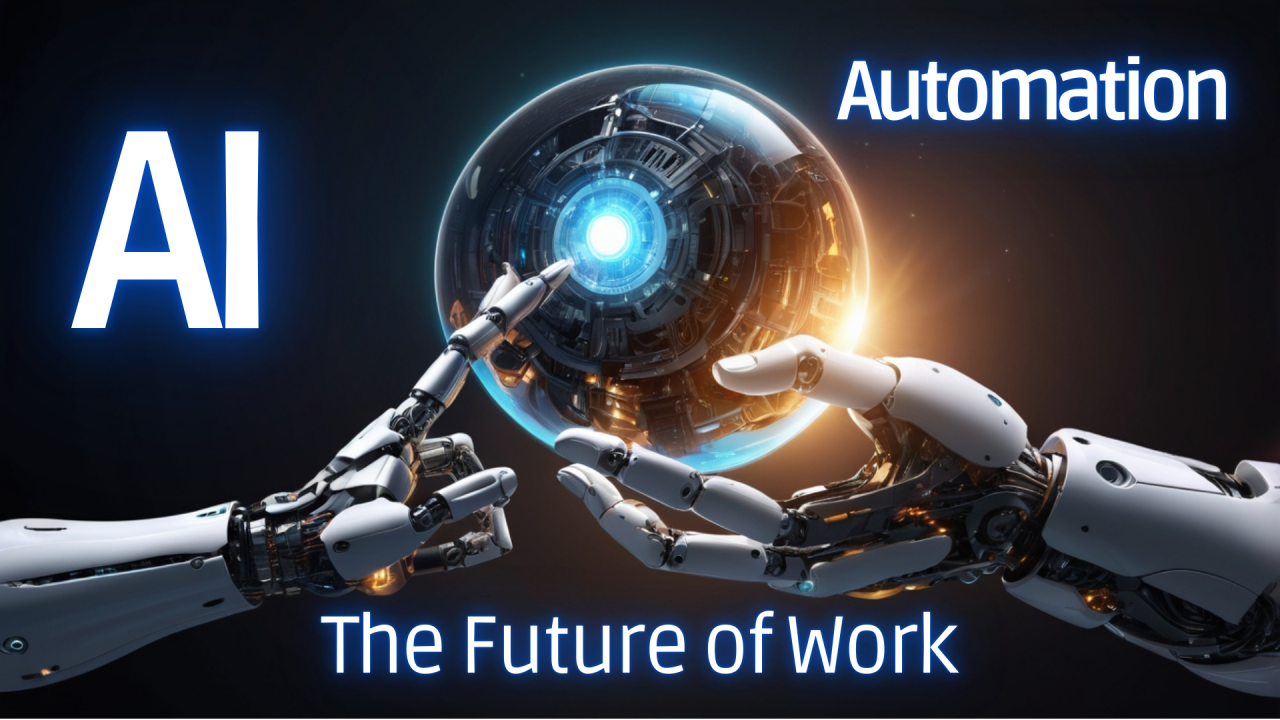
Artificial Intelligence (AI) is no longer a concept limited
to science fiction movies or research labs. Today, AI technology is deeply
integrated into our daily lives—from voice assistants on our smartphones to
recommendation systems on shopping apps. As businesses, governments, and
individuals continue to adopt AI-driven solutions, this technology is
transforming how we work, learn, and interact with the world.
What Is Artificial Intelligence?
Artificial Intelligence refers to the ability of machines or
software systems to perform tasks that typically require human intelligence.
These tasks include learning from data, understanding language, recognizing
images, making decisions, and solving problems.
Unlike traditional software that follows fixed rules, AI
systems can improve their performance over time by analyzing large volumes of
data. This ability to learn and adapt is what makes AI powerful and
revolutionary.
Key Technologies Behind AI
AI is not a single technology but a combination of several
advanced fields:
1. Machine Learning (ML)
Machine Learning is a subset of AI that allows systems to
learn from data without being explicitly programmed. For example, spam filters
in email services learn to identify unwanted messages by analyzing patterns in
previous emails.
2. Deep Learning
Deep Learning uses neural networks inspired by the human
brain. It powers advanced applications such as facial recognition,
speech-to-text systems, and self-driving vehicles.
3. Natural Language Processing (NLP)
NLP enables machines to understand, interpret, and generate
human language. Tools like chatbots, translation apps, and voice assistants
rely heavily on NLP technology.
4. Computer Vision
Computer Vision allows machines to interpret visual
information from images and videos. It is widely used in medical imaging,
surveillance systems, and autonomous vehicles.
Real-World Applications of AI Technology
AI is transforming almost every industry:
Healthcare
AI helps doctors detect diseases early, analyze medical
images, and predict patient outcomes. AI-powered tools can assist in drug
discovery, reducing the time and cost required to develop new medicines.
Education
In education, AI enables personalized learning experiences.
Intelligent tutoring systems adapt content based on a student’s learning speed
and performance, making education more effective and inclusive.
Business and Marketing
Companies use AI for customer behavior analysis, targeted
advertising, demand forecasting, and chat-based customer support. Platforms
powered by AI help businesses make data-driven decisions faster.
E-commerce
Online shopping platforms use AI to recommend products,
manage inventory, detect fraud, and optimize pricing strategies—improving both
customer experience and profitability.
Transportation
Self-driving cars, traffic management systems, and route
optimization tools all depend on AI. These technologies aim to reduce
accidents, fuel consumption, and travel time.
Popular AI Tools and Platforms
Several organizations are leading AI innovation globally.
Platforms like OpenAI, Google, and Microsoft provide AI models and tools that
developers and businesses use to build intelligent applications. AI assistants
such as ChatGPT, recommendation engines, and image-generation tools are
examples of how these technologies are becoming mainstream.
Benefits of AI Technology
AI offers numerous advantages:
- Efficiency:
Automates repetitive tasks and reduces human error
- Speed:
Processes massive amounts of data quickly
- Accuracy:
Improves decision-making through data analysis
- Cost
Reduction: Optimizes operations and resource usage
- Scalability:
Grows with business needs without proportional cost increases
These benefits make AI a strategic asset for organizations
of all sizes.
Challenges and Ethical Concerns
Despite its advantages, AI also raises important challenges:
Data Privacy
AI systems rely on large datasets, often containing
sensitive personal information. Protecting user privacy is a major concern.
Bias and Fairness
If AI models are trained on biased data, they may produce
unfair or discriminatory outcomes. Ensuring fairness and transparency is
critical.
Job Displacement
Automation may replace certain jobs, especially repetitive
or manual roles. However, AI also creates new opportunities in data science, AI
engineering, and system management.
Security Risks
AI can be misused for cyberattacks, deepfake creation, and
misinformation. Responsible AI development is essential to mitigate these
risks.
The Future of AI Technology
The future of AI is both exciting and transformative. As
computing power increases and algorithms become more advanced, AI systems will
become more human-like in understanding and decision-making.
Emerging trends include:
- AI-powered
personal assistants with emotional intelligence
- Autonomous
systems in agriculture and manufacturing
- AI
integration with Internet of Things (IoT) devices
- Responsible
and explainable AI frameworks
Governments and organizations worldwide are now focusing on
AI regulations and ethical guidelines to ensure safe and beneficial use of this
technology.
Conclusion
Artificial Intelligence technology is reshaping the world at
an unprecedented pace. From improving healthcare and education to transforming
businesses and everyday life, AI has become a cornerstone of digital
innovation. While challenges exist, responsible development and ethical use of
AI can unlock enormous potential for society.
As we move forward, understanding AI is no longer
optional—it is essential. Whether you are a student, professional,
entrepreneur, or educator, learning about AI technology today will prepare you
for the opportunities of tomorrow.