


Future IT Skills in 2026: AI, Automation, Cloud, and
Cybersecurity
The IT industry is evolving faster than ever before. As we
step into 2026, technology is no longer just supporting businesses—it is
driving them. From startups to global enterprises, organizations are heavily
investing in advanced technologies to stay competitive in a digital-first
world.
Four major domains are shaping the future of IT: Artificial
Intelligence (AI), Automation, Cloud Computing, and Cybersecurity. These
are not just trends—they are essential skill areas that every IT professional
must understand to stay relevant in the job market.
In this blog, we’ll explore the most in-demand future IT
skills in 2026, why they matter, and how you can start building expertise in
each domain.
1. Artificial Intelligence (AI): The Brain of Future
Technology
Artificial Intelligence continues to dominate the tech
landscape. It enables machines to learn, analyze, and make decisions with
minimal human intervention.
Why AI Skills Are Important
- Businesses
use AI for decision-making
- Automation
of repetitive tasks
- Personalized
customer experiences
- Predictive
analytics for growth
Key AI Skills to Learn
✔ Machine Learning
Understanding algorithms that allow systems to learn from
data is essential. Focus on:
- Regression
& Classification
- Clustering
- Model
evaluation
✔ Deep Learning
Deep learning powers applications like image recognition and
speech processing.
- Neural
networks
- CNN
(Computer Vision)
- RNN
(Natural Language Processing)
✔ Natural Language Processing
(NLP)
Used in chatbots, voice assistants, and text analysis tools.
✔ Tools & Technologies
- Python
- TensorFlow
- PyTorch
- Scikit-learn
Career Opportunities
- AI
Engineer
- Machine
Learning Engineer
- Data
Scientist
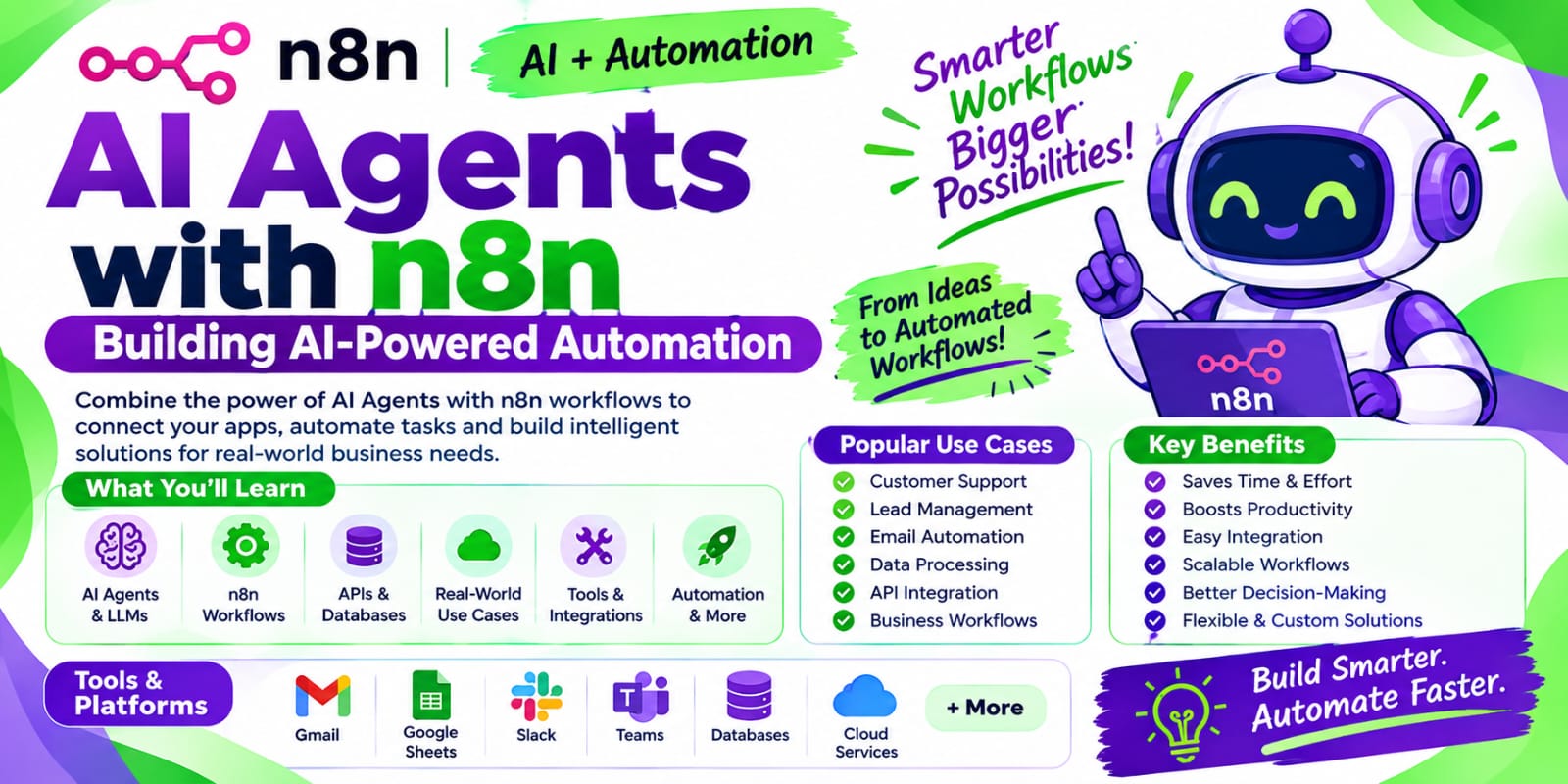
2. Automation: The Key to Efficiency
Automation is transforming how businesses operate. It
reduces manual effort, increases accuracy, and saves time.
Why Automation Matters
- Eliminates
repetitive tasks
- Reduces
human error
- Improves
productivity
- Speeds
up workflows
Types of Automation Skills
✔ Robotic Process Automation
(RPA)
Tools like UiPath and Automation Anywhere are widely used to
automate business processes.
✔ Scripting & Automation
- Python
scripting
- Bash
scripting
- Task
automation
✔ DevOps Automation
Automation in software development lifecycle:
- CI/CD
pipelines
- Infrastructure
as Code (IaC)
Tools to Learn
- Jenkins
- Docker
- Kubernetes
- Terraform
Career Roles
- Automation
Engineer
- DevOps
Engineer
- Site
Reliability Engineer (SRE)
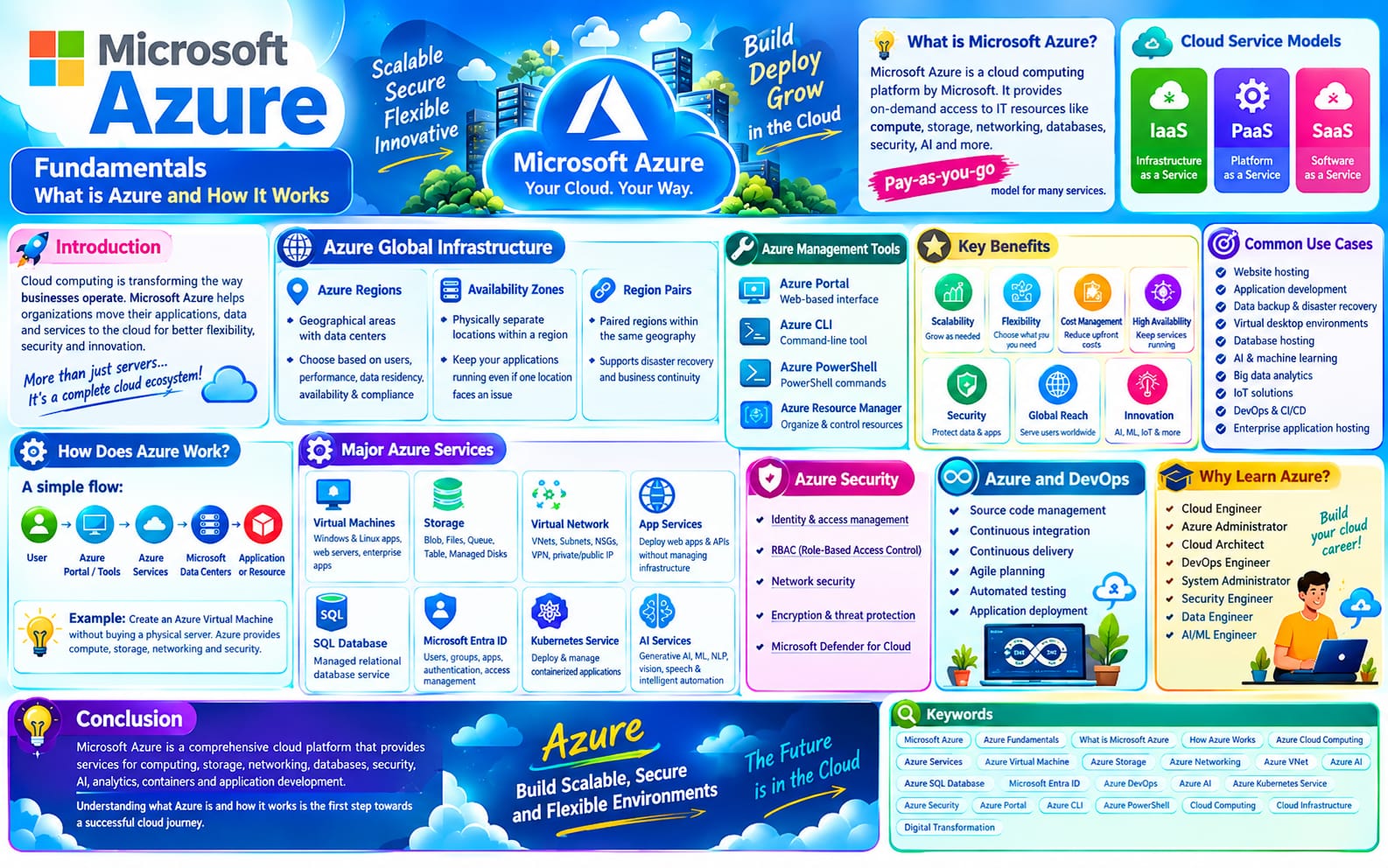
3. Cloud Computing: The Backbone of Modern IT
Cloud computing is the foundation of modern applications.
Almost every company today uses cloud platforms to store data and run
applications.
Why Cloud Skills Are Essential
- Scalable
infrastructure
- Cost-effective
solutions
- Remote
accessibility
- Faster
deployment
Key Cloud Skills
✔ Cloud Platforms
- AWS
(Amazon Web Services)
- Microsoft
Azure
- Google
Cloud Platform (GCP)
✔ Core Concepts
- Virtual
machines
- Storage
services
- Networking
basics
✔ Cloud Security
Understanding how to secure cloud environments is critical.
✔ Serverless Computing
Running applications without managing servers is becoming
popular.
Tools & Services
- AWS
EC2, S3
- Azure
Virtual Machines
- Google
Cloud Functions
Career Opportunities
- Cloud
Engineer
- Cloud
Architect
- DevOps
Engineer
4. Cybersecurity: Protecting the Digital World
As technology grows, so do cyber threats. Cybersecurity has
become one of the most critical areas in IT.
Why Cybersecurity Skills Are Crucial
- Increasing
cyber attacks
- Data
protection requirements
- Compliance
and regulations
- Business
risk management
Key Cybersecurity Skills
✔ Network Security
Understanding firewalls, VPNs, and network protocols.
✔ Ethical Hacking
Learning how hackers operate to prevent attacks.
✔ Threat Analysis
Identifying and responding to cyber threats.
✔ Security Tools
- Wireshark
- Metasploit
- Nessus
Important Concepts
- Encryption
- Authentication
- Risk
management
Career Roles
- Cybersecurity
Analyst
- Ethical
Hacker
- Security
Engineer
5. Integration of AI, Cloud, and Automation
The future of IT is not about learning one skill—it’s about
combining multiple technologies.
How These Skills Work Together
- AI
models are trained and deployed on the cloud
- Automation
tools manage AI workflows
- Cybersecurity
protects AI and cloud systems
Example:
A company may use:
- AI
for customer insights
- Cloud
for data storage
- Automation
for operations
- Cybersecurity
for protection
6. Soft Skills: The Hidden Requirement
Technical skills alone are not enough. Recruiters also value
soft skills.
Must-Have Soft Skills
- Problem-solving
- Communication
- Teamwork
- Adaptability
7. How to Start Learning These Skills
Step-by-Step Roadmap
Step 1: Learn Programming
Start with Python—it is widely used in AI and automation.
Step 2: Choose Your Domain
Pick one area initially:
- AI
- Cloud
- Cybersecurity
- Automation
Step 3: Build Projects
- AI:
Chatbot or recommendation system
- Cloud:
Deploy a web app
- Automation:
Build scripts
- Cybersecurity:
Practice ethical hacking labs
Step 4: Get Certifications
- AWS
Certified Cloud Practitioner
- Azure
Fundamentals
- CompTIA
Security+
Step 5: Practice Consistently
Hands-on experience is key.
8. Future Trends to Watch in 2026