




Introduction to Linux Technology
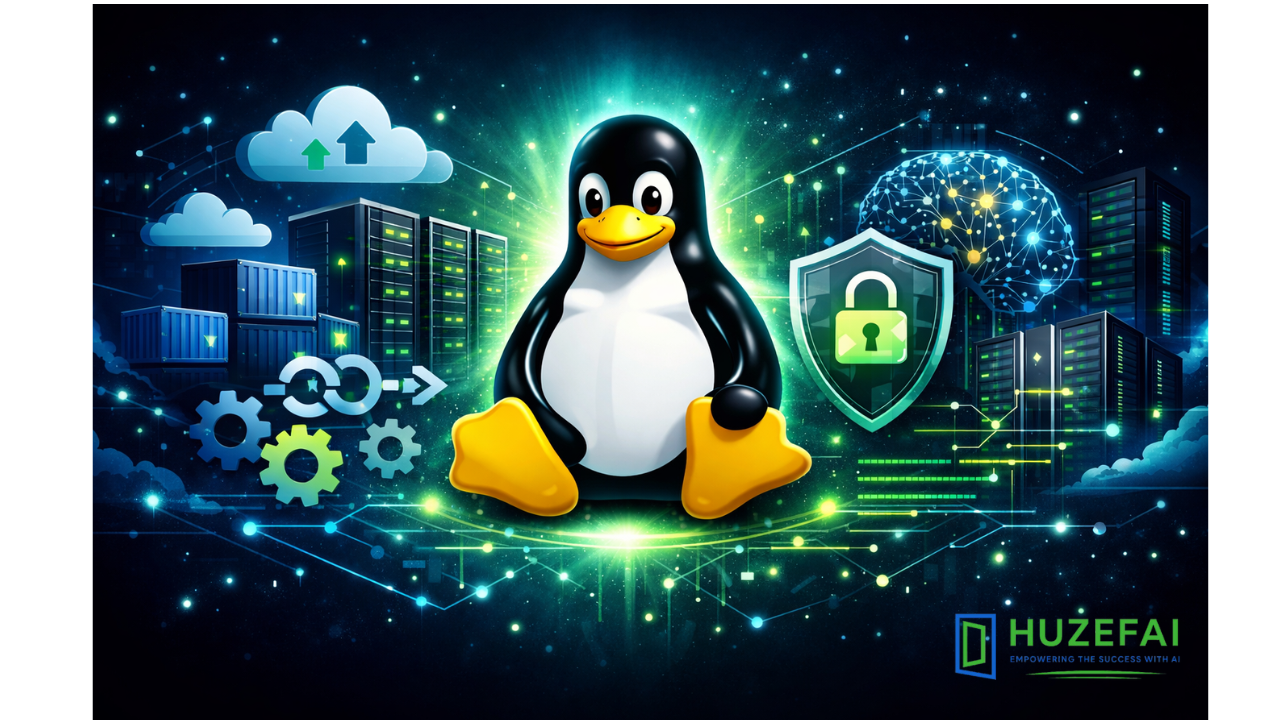
Linux is more than just an operating system—it is the foundation of today’s digital world. From smartphones and cloud servers to cybersecurity systems and supercomputers, Linux technologies power almost everything we use daily. Built on the Linux Kernel, Linux is open-source, flexible, secure, and scalable, making it the preferred choice for enterprises, developers, and governments worldwide.
This blog explores every major technology based on Linux, explained in simple and professional terms.
1. Linux Operating System Architecture
Linux follows a modular architecture that ensures stability and performance.
Core Components:
-
Kernel – Handles CPU, memory, devices, and processes
-
Shell – User interface to interact with the system
-
System Libraries – Enable applications to communicate with the kernel
-
Utilities & Applications – Tools like file managers, editors, and networking commands
This design allows Linux to run efficiently on both low-end devices and enterprise servers.
2. Linux Distributions (Distros)
A Linux distribution combines the kernel with software tools and package managers.
Popular Linux Distributions:
-
Ubuntu – User-friendly, ideal for beginners and cloud
-
Red Hat Enterprise Linux – Enterprise-grade stability
-
CentOS – Community-supported server OS
-
Debian – Extremely stable and secure
-
Kali Linux – Cybersecurity and ethical hacking
Each distro serves a specific purpose, from desktop use to mission-critical servers.
3. Linux in Cloud Computing
Linux is the backbone of cloud platforms.
Why Cloud Runs on Linux?
-
Lightweight and scalable
-
Secure and customizable
-
Cost-effective (open-source)
Major cloud providers rely on Linux:
-
Amazon Web Services
-
Google Cloud Platform
-
Microsoft Azure
Most virtual machines, containers, and cloud services run Linux internally.
4. Linux in DevOps & Automation
Linux is central to DevOps culture.
DevOps Tools on Linux:
-
Docker – Containerization
-
Kubernetes – Container management
-
Ansible – Configuration automation
-
Jenkins – Continuous Integration
Linux command-line power enables automation, scripting, and rapid deployment.
5. Linux Server Technology
Over 90% of web servers run Linux.
Linux Server Use Cases:
-
Web hosting (Apache, Nginx)
-
Database servers (MySQL, PostgreSQL)
-
Email servers
-
File & backup servers
Linux servers offer:
-
High uptime
-
Better performance
-
Strong security
6. Linux in Cybersecurity
Linux is the preferred OS for security professionals.
Security Advantages:
-
Advanced permission system
-
Frequent security updates
-
Powerful firewall (iptables, nftables)
Security Tools:
-
Metasploit
-
Wireshark
-
Nmap
Ethical hackers rely heavily on Linux-based environments.
7. Linux in Networking
Linux powers routers, switches, and network appliances.
Networking Features:
-
TCP/IP stack
-
Network namespaces
-
VPN and firewall support
Linux-based routers and firewalls are widely used by ISPs and enterprises.
8. Linux in Embedded Systems & IoT
Linux runs on:
-
Smart TVs
-
Routers
-
Automotive systems
-
Smart home devices
Examples:
-
Android (built on Linux kernel)
-
Raspberry Pi projects
-
Industrial automation systems
Linux’s lightweight nature makes it ideal for embedded technology.
9. Linux in Artificial Intelligence & Big Data
Linux is the default OS for AI and data science.
Why Linux for AI?
-
High performance
-
GPU compatibility
-
Open-source AI frameworks
Popular AI tools run best on Linux:
-
TensorFlow
-
PyTorch
-
Hadoop & Spark ecosystems
10. Linux in Supercomputers
All of the world’s top supercomputers run Linux.
Reasons:
-
Extreme scalability
-
Kernel customization
-
Open-source performance tuning
Scientific research, weather forecasting, and space exploration depend on Linux.
11. Linux Desktop & Daily Use
Linux desktops are growing rapidly.
Desktop Benefits:
-
No license cost
-
Virus-resistant
-
Customizable UI
With environments like GNOME and KDE, Linux is now beginner-friendly.
Career Opportunities in Linux Technologies
Linux skills are in high demand:
-
Linux System Administrator
-
Cloud Engineer
-
DevOps Engineer
-
Cybersecurity Analyst
-
Site Reliability Engineer (SRE)
Certifications like RHCSA and Linux Foundation certifications boost career growth.
Conclusion
Linux is not just an operating system—it is a technology ecosystem powering cloud computing, DevOps, cybersecurity, AI, servers, and embedded systems. Its open-source nature, stability, and performance make it the backbone of modern IT infrastructure.
If you learn Linux today, you are preparing for every future technology tomorrow