





In today’s fast-paced digital world, automation tools are no longer a luxury—they are a necessity. Whether you’re a startup founder, marketer, developer, or enterprise leader, automation helps you eliminate repetitive tasks, reduce errors, and focus on what truly matters: growth and innovation.
This comprehensive guide explores what
automation tools are, why they matter, types of automation, top tools in 2026,
and how to choose the right one for your needs.
What Are
Automation Tools?
Automation tools are software applications
designed to perform tasks automatically with minimal human intervention. These
tasks can range from sending emails and managing workflows to deploying cloud
infrastructure and training AI models.
In simple terms, automation tools help you:
- Save
time
- Reduce
manual effort
- Increase
accuracy
- Scale
operations
Why
Automation Is Important in 2026
Automation has evolved rapidly with
advancements in AI, cloud computing, and low-code platforms. Here’s why it’s
more important than ever:
1.
Increased Productivity
Automation eliminates repetitive tasks like
data entry, email responses, and report generation, allowing teams to focus on
strategic work.
2. Cost
Reduction
Businesses save money by reducing labor costs
and minimizing errors that could lead to financial losses.
3. Faster
Decision-Making
Automation tools provide real-time data
insights, enabling quicker and smarter decisions.
4.
Scalability
Automation allows businesses to handle
increased workloads without hiring additional staff.
5. Improved
Accuracy
Machines don’t make human errors—automation
ensures consistent and reliable outcomes.
Types of
Automation Tools
Automation tools can be categorized based on
their use cases:
1. Workflow
Automation Tools
These tools automate business processes by
connecting apps and services.
Popular tools:
- Zapier
- Make
(formerly Integromat)
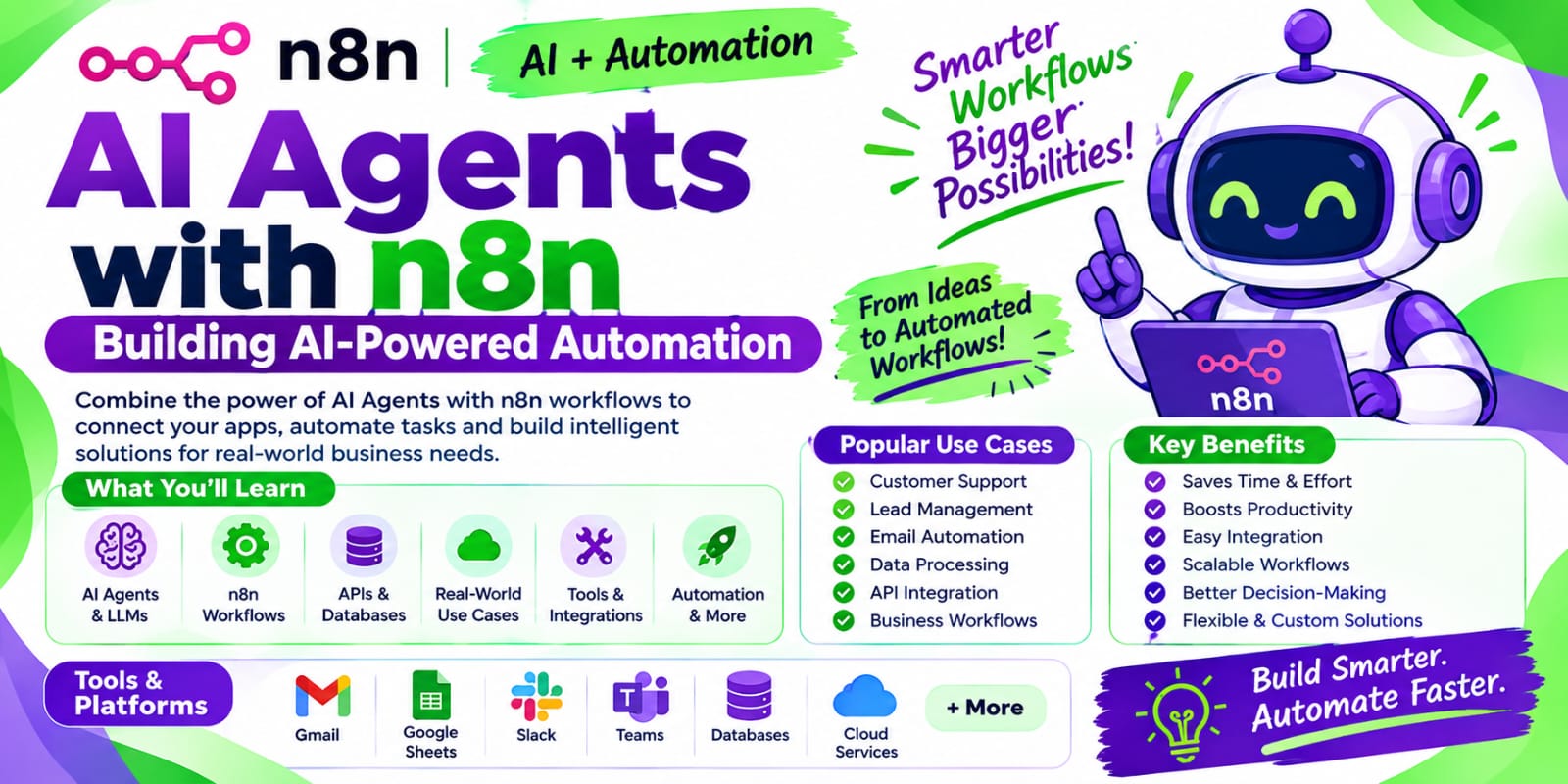
- n8n
Use cases:
- Auto-send
emails when a form is submitted
- Sync
data between apps
- Automate
approvals
2.
Marketing Automation Tools
These tools help automate marketing campaigns,
emails, and customer engagement.
Popular tools:
- HubSpot
- Mailchimp
Use cases:
- Email
campaigns
- Lead
nurturing
- Customer
segmentation
3. IT &
DevOps Automation Tools
These tools automate software development,
testing, and deployment.
Popular tools:
- Jenkins
- Ansible
- Docker
Use cases:
- Continuous
Integration/Continuous Deployment (CI/CD)
- Infrastructure
provisioning
- Configuration
management
4. Cloud
Automation Tools
Cloud automation tools help manage cloud
infrastructure efficiently.
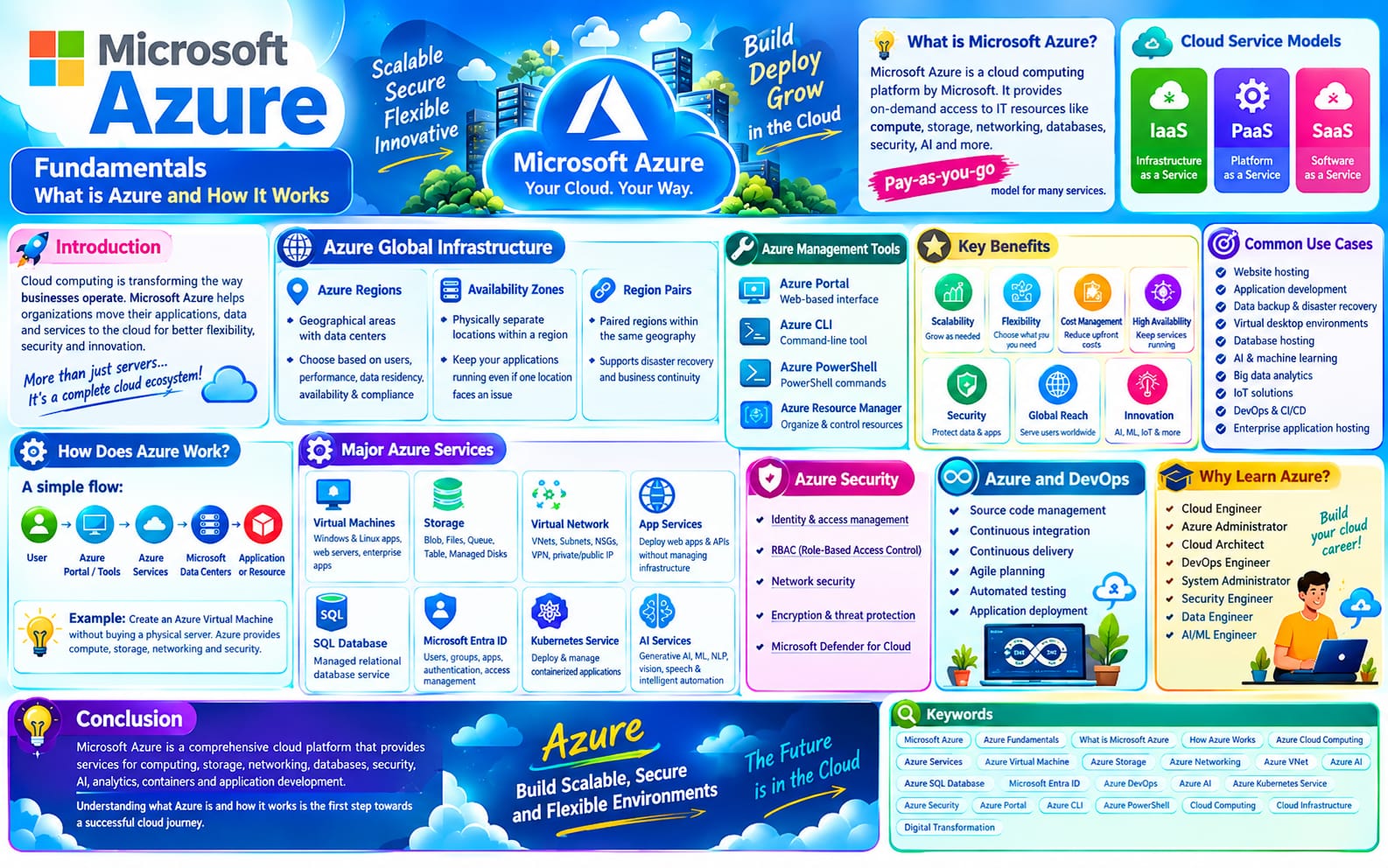
Popular platforms:
- Amazon
Web Services
- Microsoft
Azure
- Google
Cloud Platform
Use cases:
- Auto-scaling
servers
- Resource
provisioning
- Cost
optimization
5.
AI-Powered Automation Tools
These tools use artificial intelligence to
automate complex tasks.
Popular tools:
- OpenAI
- UiPath
Use cases:
- Chatbots
- Data
analysis
- Intelligent
workflows
Top
Automation Tools in 2026
Let’s explore some of the most powerful tools
dominating the market:
Zapier
One of the easiest tools for beginners. It
connects thousands of apps without coding.
n8n
An open-source automation tool with advanced
customization. Ideal for developers.
UiPath
A leader in Robotic Process Automation (RPA),
used by enterprises.
HubSpot
Perfect for marketing and CRM automation.
Jenkins
Widely used for automating software builds and
deployments.
Real-Life
Examples of Automation
Example 1:
E-commerce Automation
- Automatically
update inventory
- Send
order confirmation emails
- Generate
invoices
Example 2:
HR Automation
- Resume
screening
- Interview
scheduling
- Employee
onboarding
Example 3:
Social Media Automation
- Schedule
posts
- Auto-reply
to messages
- Analyze
engagement
Benefits of
Automation Tools
Time Savings
Tasks that take hours can be completed in
seconds.
Better Efficiency
Teams can handle more work with fewer
resources.
Consistency
Automation ensures standardized processes.
Improved
Customer Experience
Faster responses and personalized
communication.
Challenges of Automation
While automation is powerful, it comes with
challenges:
Initial
Setup Cost
Some tools require investment and training.
Learning
Curve
Advanced tools may need technical knowledge.
Over-Automation
Too much automation can reduce human touch.
How to
Choose the Right Automation Tool
Here are key factors to consider:
1. Ease of
Use
Choose tools with a user-friendly interface.
2.
Integration
Ensure it connects with your existing apps.
3.
Scalability
Pick a tool that grows with your business.
4. Cost
Compare pricing plans and ROI.
5. Support
& Community
Good support saves time and frustration
Future
Trends in Automation
AI +
Automation
AI will make automation smarter and more
adaptive.
No-Code & Low-Code Platforms
Anyone can build automation without coding.
Hyperautomation
Combining AI, RPA, and analytics for
end-to-end automation.
Voice &
Chat Automation
Voice assistants and chatbots will dominate
customer interactions.
Conclusion
Automation tools are transforming how
businesses operate. From simple workflows to complex AI-driven systems,
automation empowers organizations to work smarter, faster, and more
efficiently.
Whether you’re just starting or scaling your
operations, adopting the right automation tools can give you a competitive edge
in 2026 and beyond.