



Multi-Cloud Computing Explained for Students (Beginner to Career Level Guide)
Cloud computing has become one of the most important technologies in today’s IT world. Almost every application we use—online shopping, mobile apps, streaming platforms, and even AI tools—runs on the cloud. Earlier, companies depended on a single cloud provider, but today most organizations are moving toward multi-cloud computing.
For students who want a future-proof IT career, understanding multi-cloud is a big advantage. This blog explains multi-cloud in easy terms, with examples, benefits, tools, and career paths.
What Is Multi-Cloud? (Simple Definition)
Multi-cloud means using more than one cloud service provider to run applications, store data, or manage services.
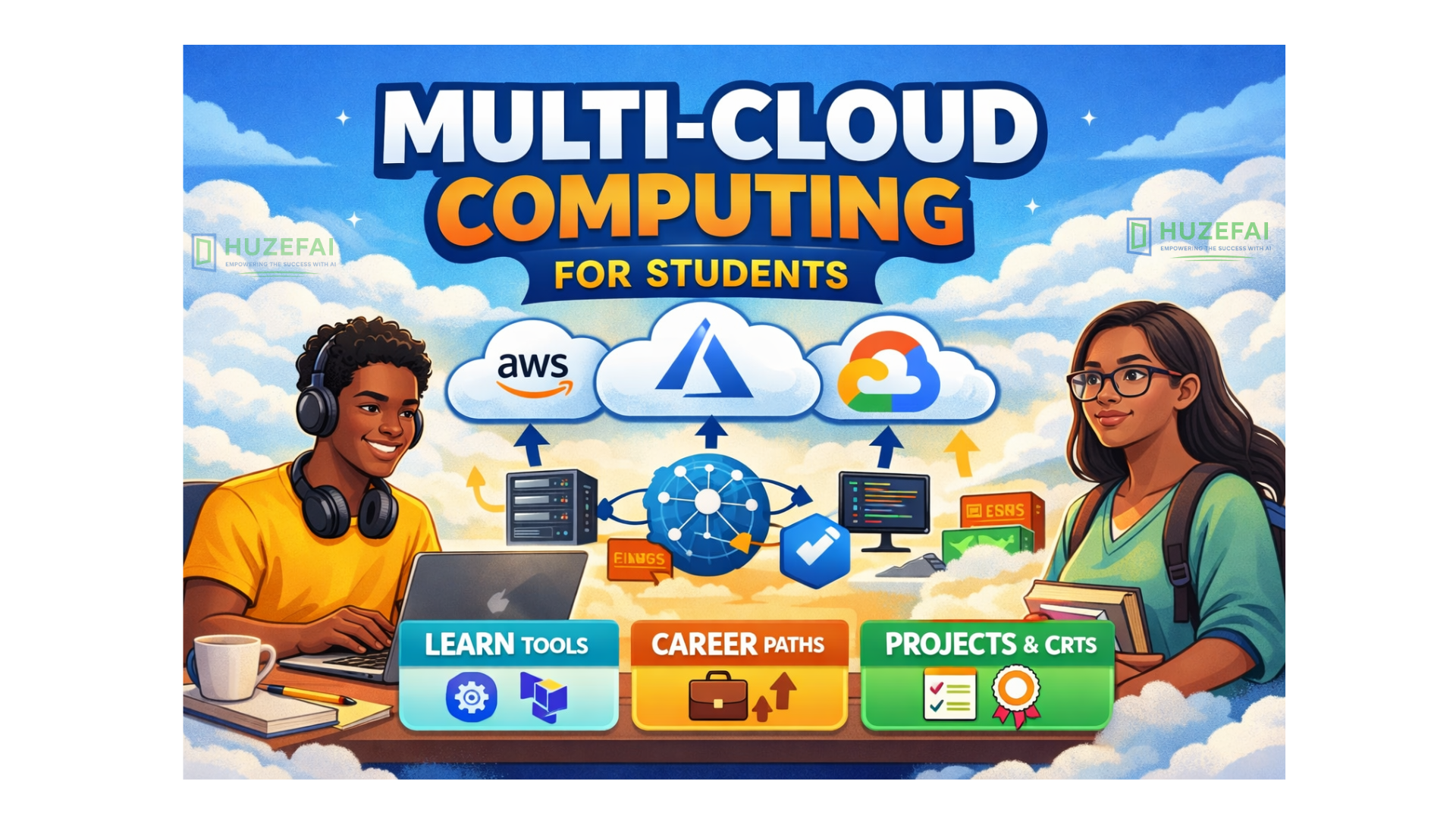
Instead of relying on just one cloud, companies use platforms like:
-
Amazon Web Services (AWS)
-
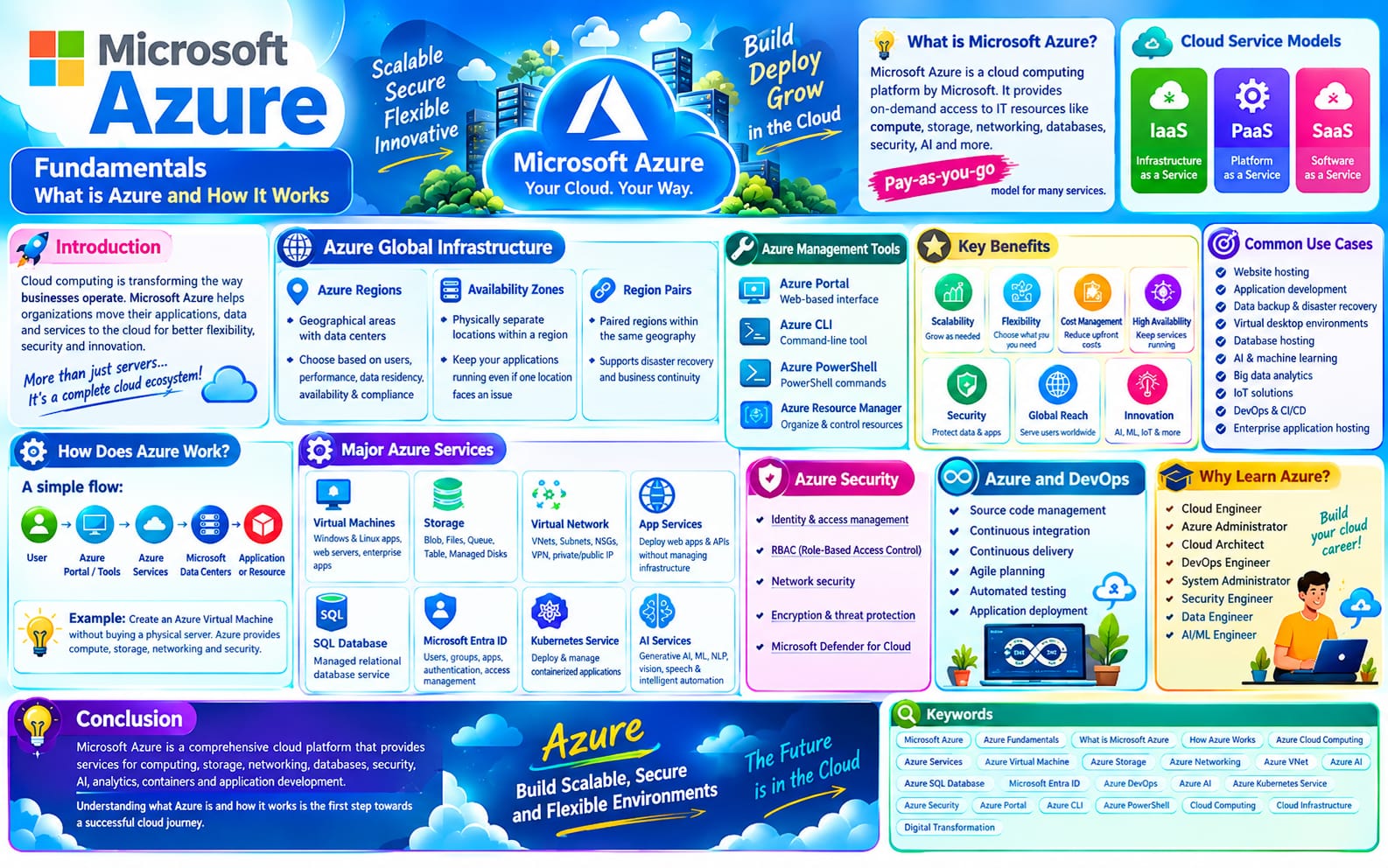
Microsoft Azure
-
Google Cloud Platform
Simple Example
-
Website hosted on AWS
-
Data analytics done on Google Cloud
-
Email and enterprise apps on Azure
This combination is called multi-cloud.
Why Students Should Learn Multi-Cloud
Many students ask: “Why not just learn one cloud?”
The answer is simple: jobs and companies don’t use only one cloud anymore.
Reasons multi-cloud is important:
-
Companies want flexibility
-
Avoid dependence on one provider
-
Reduce risk during cloud outages
-
Choose the best services from each cloud
-
Better job opportunities for skilled professionals
Learning multi-cloud makes you more valuable and job-ready.
Multi-Cloud vs Single Cloud (Easy Comparison)
| Single Cloud | Multi-Cloud |
|---|---|
| One provider only | Multiple providers |
| Limited flexibility | High flexibility |
| Vendor lock-in risk | No vendor lock-in |
| Easier to manage | Needs better skills |
Most big companies prefer multi-cloud today.
Benefits of Multi-Cloud (Student-Friendly)
1. No Vendor Lock-In
If one cloud becomes expensive or has issues, companies can move workloads to another cloud.
2. Better Availability
If AWS goes down, services can run on Azure or GCP.
3. Cost Optimization
Different clouds offer cheaper options for different services.
4. Better Learning for Students
Students who know multiple clouds can:
-
Crack more interviews
-
Switch jobs easily
-
Work on global projects
Real-World Use Cases of Multi-Cloud
-
E-commerce: Website on AWS, payments on Azure
-
Banking & FinTech: Secure data on private cloud, analytics on GCP
-
Startups: Use free credits from multiple cloud providers
-
AI & Big Data: Compute on one cloud, storage on another
Multi-cloud is not theory, it’s used daily in real companies.
Challenges in Multi-Cloud (And Why Skills Matter)
Multi-cloud is powerful but not simple.
Common Challenges:
-
Managing multiple dashboards
-
Different security rules
-
Networking between clouds
-
Need skilled engineers
That’s why trained professionals are in demand.
Important Multi-Cloud Tools Students Must Learn
To manage multiple clouds easily, companies use common tools.
1. Kubernetes
-
Runs applications the same way on any cloud
-
Core skill for DevOps and cloud engineers
2. Terraform
-
Create cloud resources using code
-
Works with AWS, Azure, and GCP
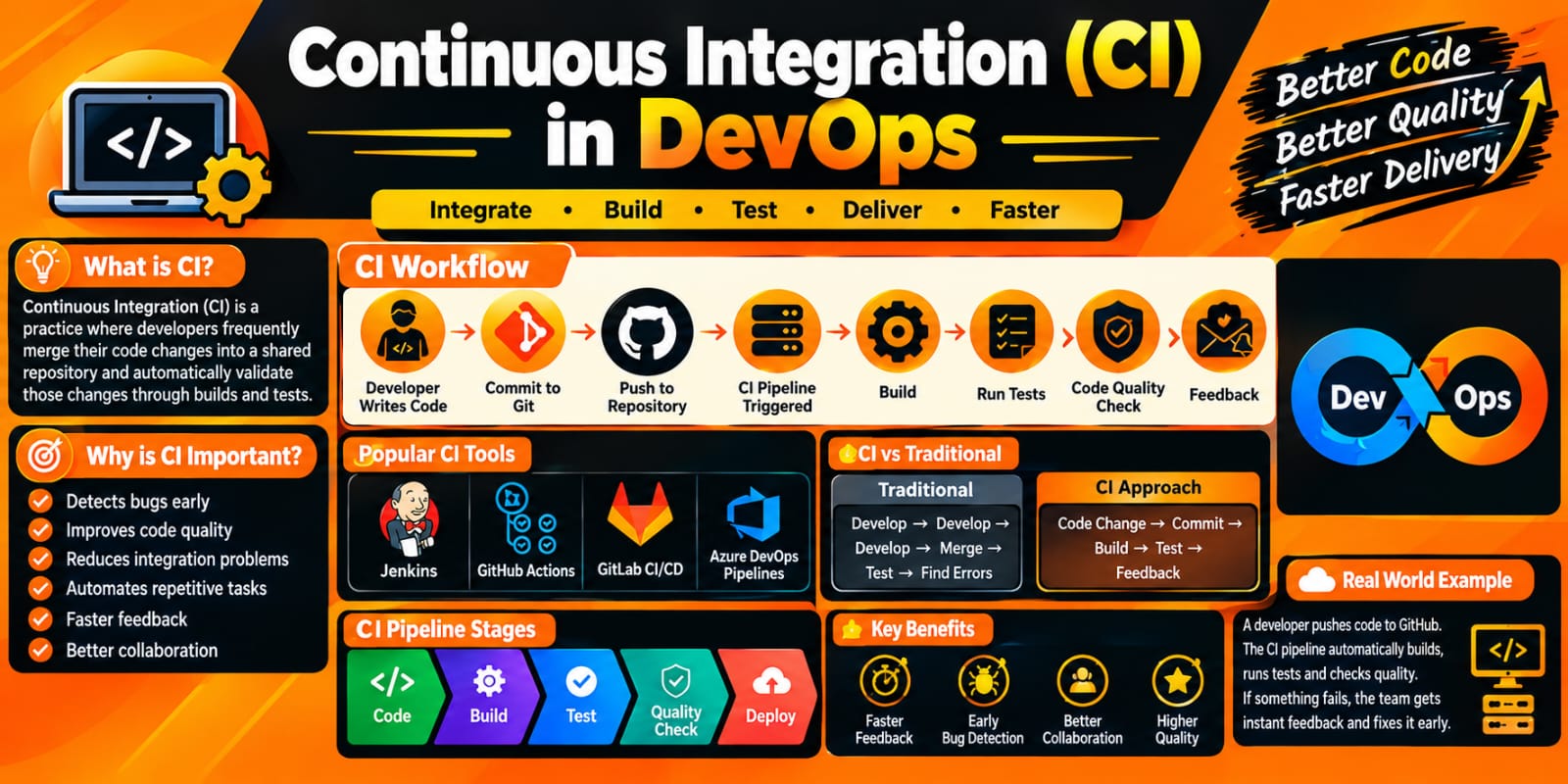
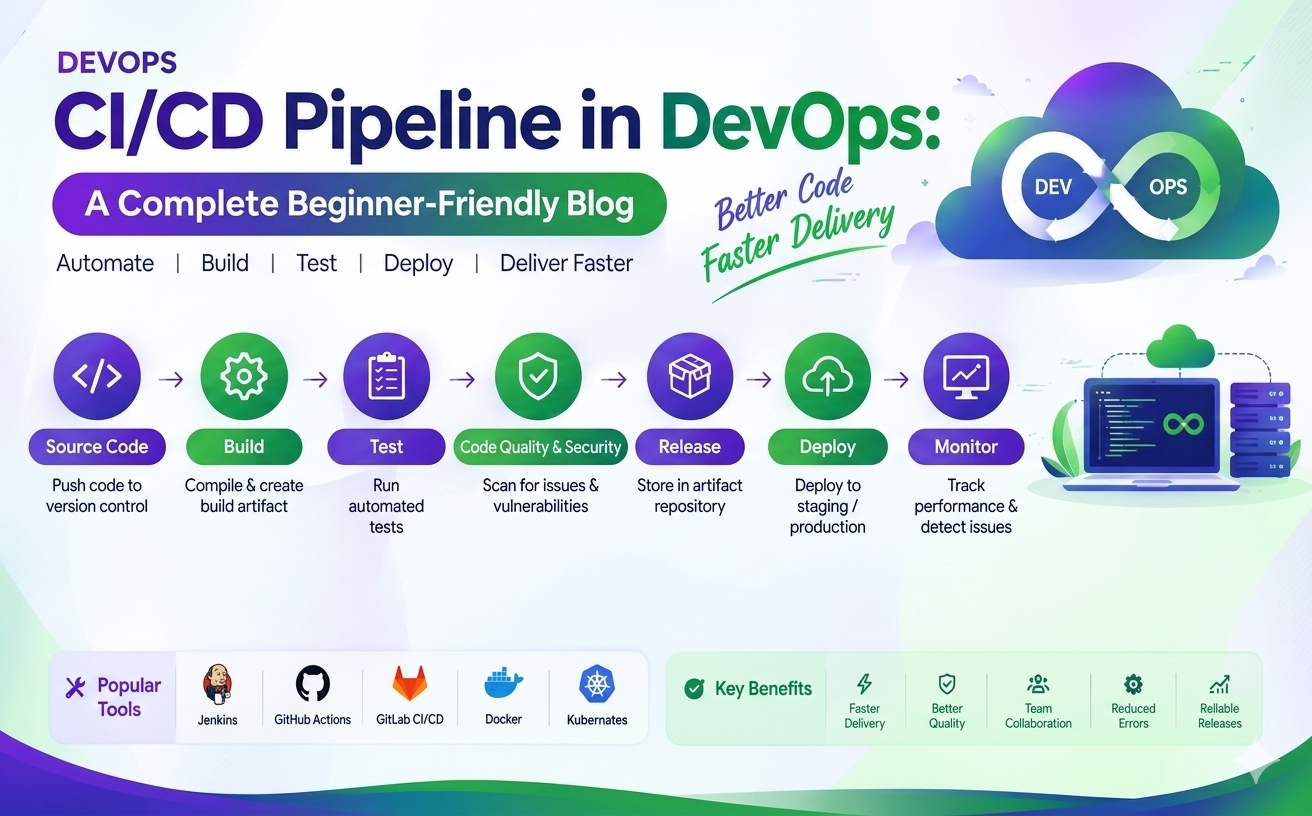
3. CI/CD Tools
-
Git, GitHub, Jenkins, GitLab
-
Automate deployments across clouds
4. Monitoring Tools
-
Prometheus, Grafana
-
Track performance across clouds
These tools make multi-cloud manageable.
Multi-Cloud Learning Path for Students
Step 1: Learn Cloud Basics
-
What is cloud computing
-
Compute, storage, networking
-
Basic security concepts
Step 2: Learn One Cloud First
-
Start with AWS or Azure
-
Understand core services
Step 3: Add Second Cloud
-
Compare services
-
Learn differences and similarities
Step 4: Learn DevOps & Automation
-
Linux basics
-
Kubernetes
-
Terraform
-
CI/CD pipelines
Step 5: Practice Projects
-
Host apps on two clouds
-
Build disaster recovery setup
-
Resume-ready projects
Career Opportunities in Multi-Cloud (2025 & Beyond)
Students with multi-cloud skills can apply for roles like:
-
Multi-Cloud Engineer
-
Cloud DevOps Engineer
-
Site Reliability Engineer (SRE)
-
Cloud Security Engineer
-
Platform Engineer
Why salaries are higher:
-
Fewer skilled professionals
-
High responsibility roles
-
Critical infrastructure management
Certifications That Help Students
While skills matter most, certifications help beginners:
-
AWS Cloud certifications
-
Azure Fundamentals / Administrator
-
Google Cloud certifications
-
Kubernetes certifications
Certifications + projects = strong resume.
Is Multi-Cloud Hard for Students?
No—if learned step by step.
✔ Start small
✔ Practice daily
✔ Focus on fundamentals
✔ Don’t try to learn everything at once
Many students successfully move into cloud careers within 6–12 months.
Future of Multi-Cloud
The future of IT is:
-
Cloud-agnostic applications
-
AI-managed cloud systems
-
Strong focus on security and automation
-
Multi-cloud as the default choice
For students, multi-cloud is not optional—it’s career-defining.
Conclusion
Multi-cloud computing is one of the most important skills for students aiming for IT, DevOps, cloud, or AI careers. It offers flexibility, better job opportunities, and long-term career growth.
If you are a student planning your future, start learning multi-cloud today—step by step, with practice and real projects.